
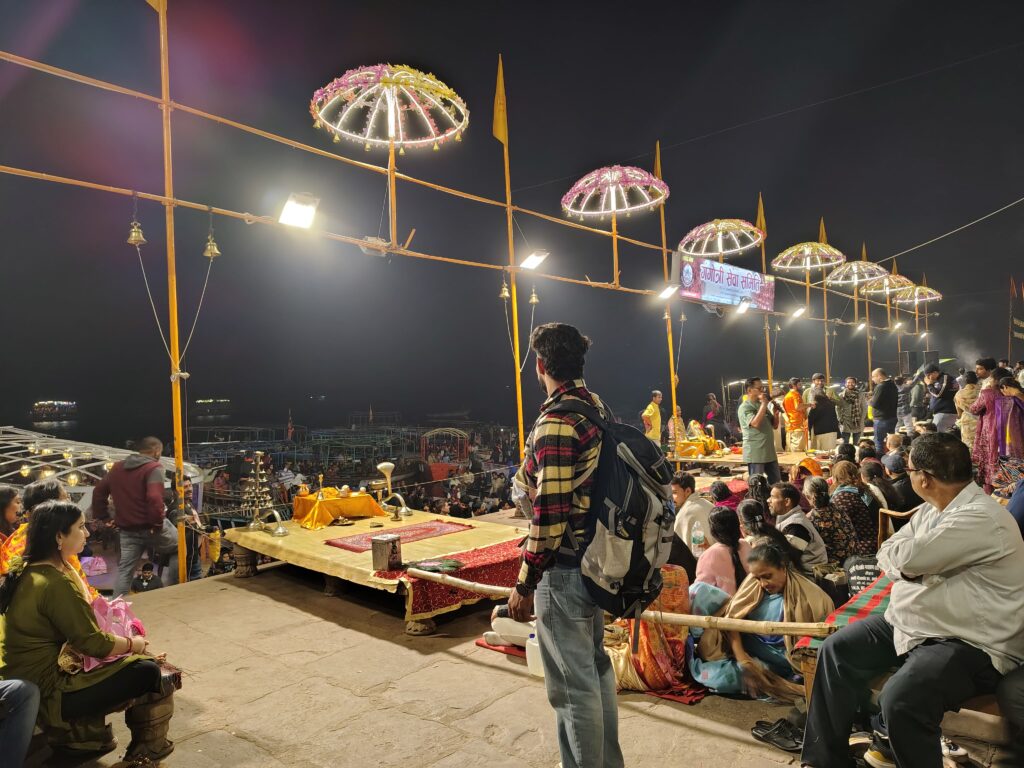
I am Akash and this is my self observed real story, I was in Kashi for more than 4 days for the first time. Previously I came here only for a day, that time with the group of my friends, in first time I did not get time to observe the city, they are very quick coz we had to cover all the places in less time, but now I have the time to do so.
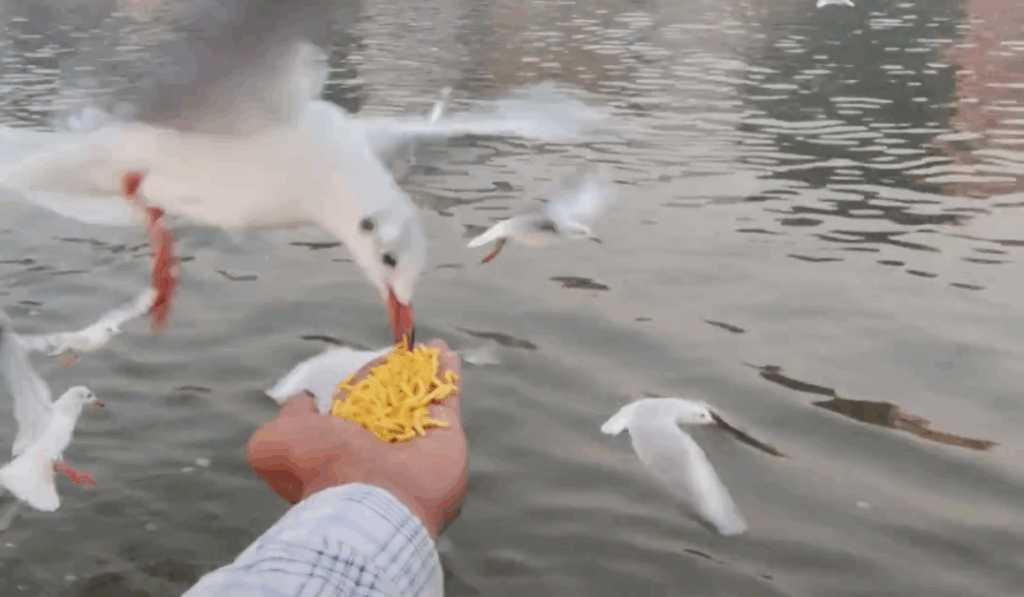
The month was January, its unexpected like I see the siberian there and we are feeding them, they were not getting scared from us, Siberian birds Migrate to Varanasi in the winter months to escape the harsh Siberian winters and finds a more temperature climate and abundant food source. The Ganga River, particularly around ghat like Dashashwamedh Ghat and Assi Ghat becomes a heaven for these migratory birds, including species like Siberian crane and Ruddy Shelduck.
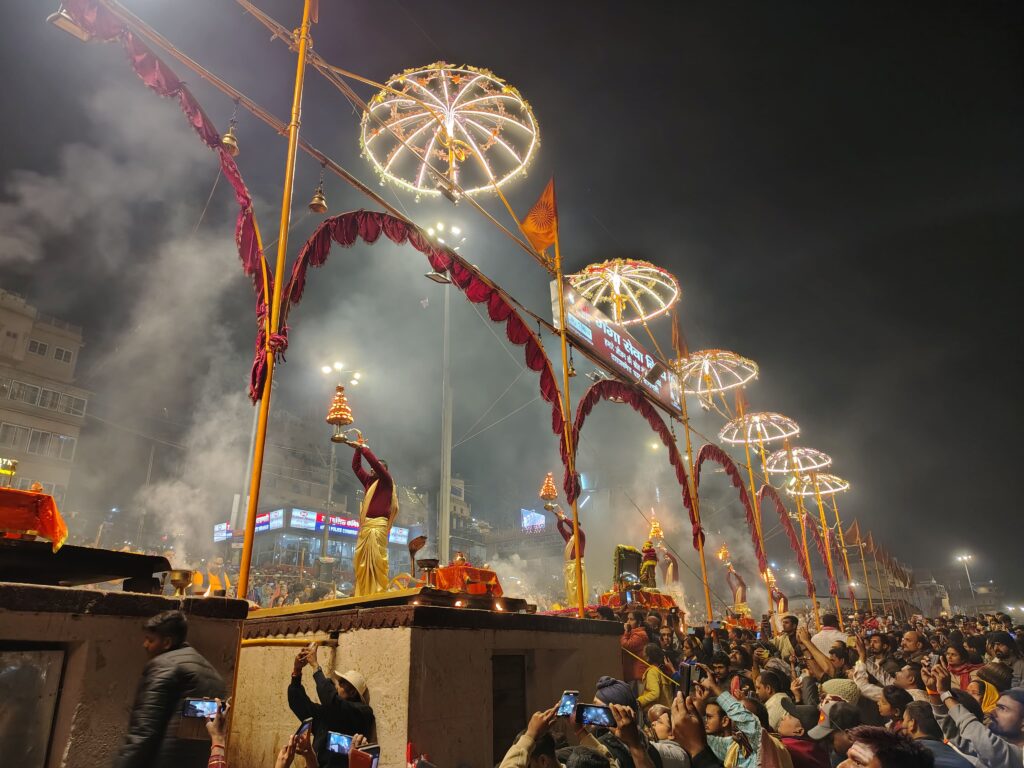
This image is from one of the most famous Ghats, Dasashwamedh Ghat. We attended Ganga Arti here. it is located close to Vishwanath Temple. The story braind the name of the ghat is Brahma Ji performed 10 ashwamesh yajna. The present ghat was build by Peshwa Balaji Rao in 1780he Ganga Aarti (ritual of offering prayer to the Ganges river) is held daily at dusk. Several priests perform this ritual by carrying deepam and moving it up and down in a rhythmic tune of bhajans.
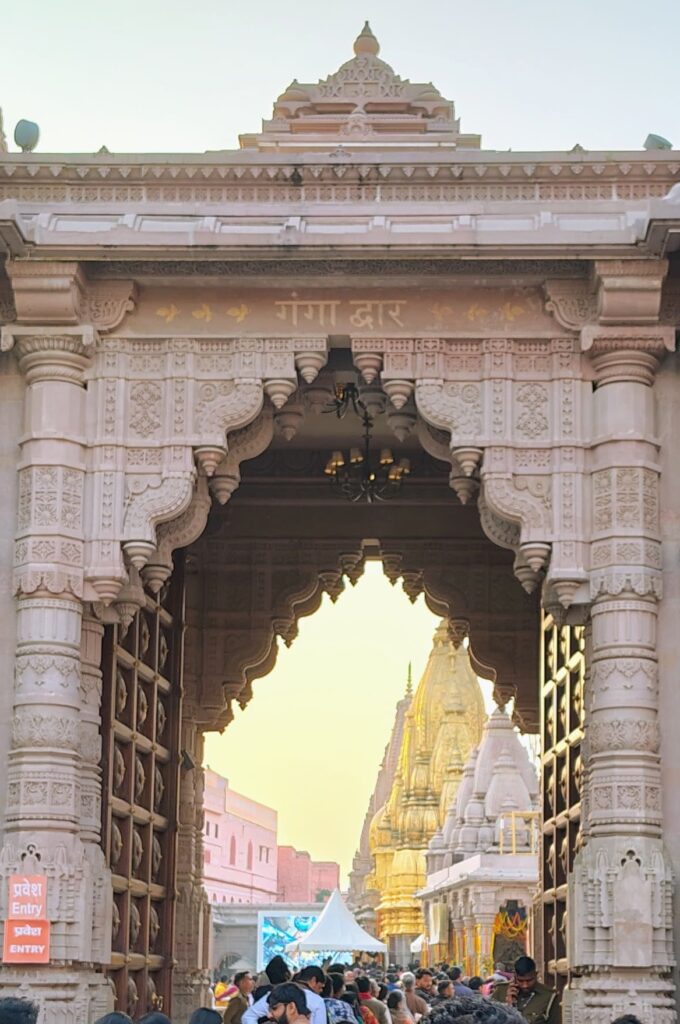
In this image you are seeing the one and only Kashi Vishwanath Temple. The Temple of lord Shiva which is one of temple from 12 jyotirling in India. The original temple, called the aid Vishwanath Temple, was demolisher by Mohammad of Ghor during his invasion of India. Subsequently Subsequently, the template was rebuilt by Man Singh and Todar Mal under the emperor Akbar. According to several historical accounts, the Mughal Emperor Aurangzeb ordered the demolition of the Hindu temple in 1669.It is believed that Varanasi is the first Jyotirlinga to manifest itself.In order to discover the origin of the luminous column, Vishnu took the form of a boar (Varaha) and tracked the column beneath the ground, while Brahma, who assumed the shape of a swan, scoured the heavens in an attempt to locate the apex of the column.Due to Brahma’s deceit over the discovery of the origin of the luminous column, Shiva penalised him by cutting his fifth head and placing a curse upon him. This curse entailed that Brahma would no longer receive reverence, whereas Vishnu, being truthful, would be equally venerated alongside Shiva and have dedicated temples for eternity.
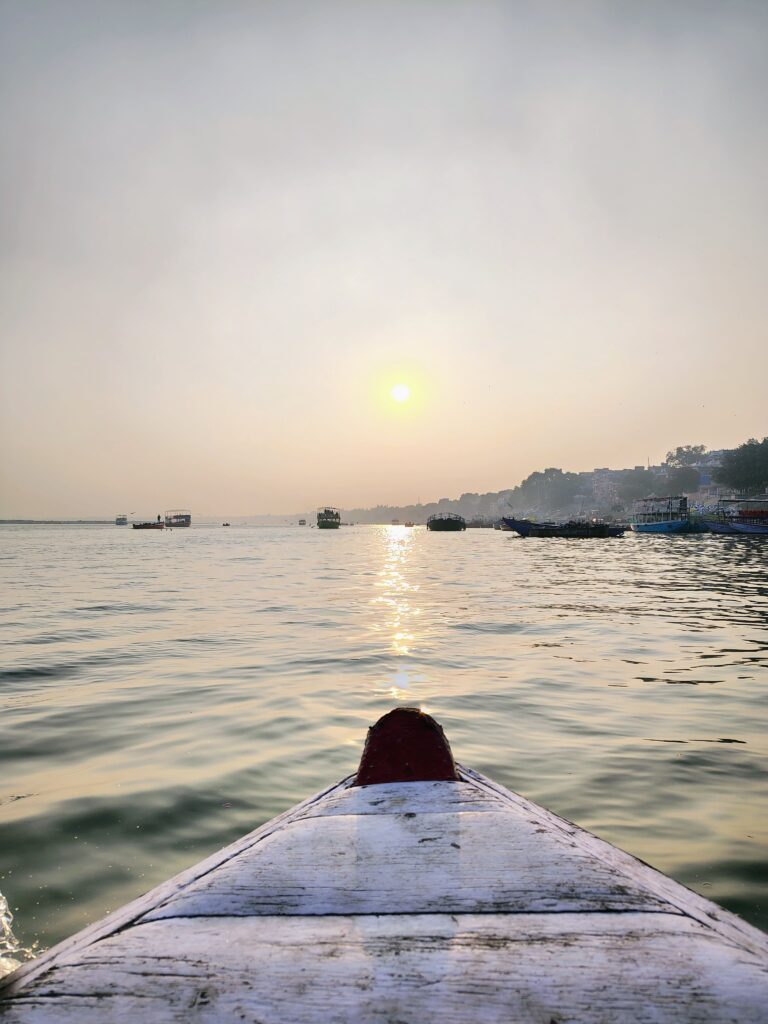
Varanasi, situated at the bank of Ganga River, is a city stepped in spiritual significance and ancient traditions. The 2,525-kilometre-long (1,569 mi) river rises in the western Himalayas in the Indian state of Uttarakhand. The main stem of the Ganges begins at the town of Devprayag,at the confluence of the Alaknanda, which is the source stream in hydrology on account of its greater length, and the Bhagirathi, which is considered the source stream in Hindu mythology. The Ganges is a lifeline to hundreds of millions of people who live in its basin and depend on it for their daily needs.The Ganges is threatened by severe pollution. This not only poses a danger to humans but also to many species of animals.The levels of fecal coliform bacteria from human waste (feces and urine) in the river near Varanasi are more than 100 times the Indian government’s official limit.
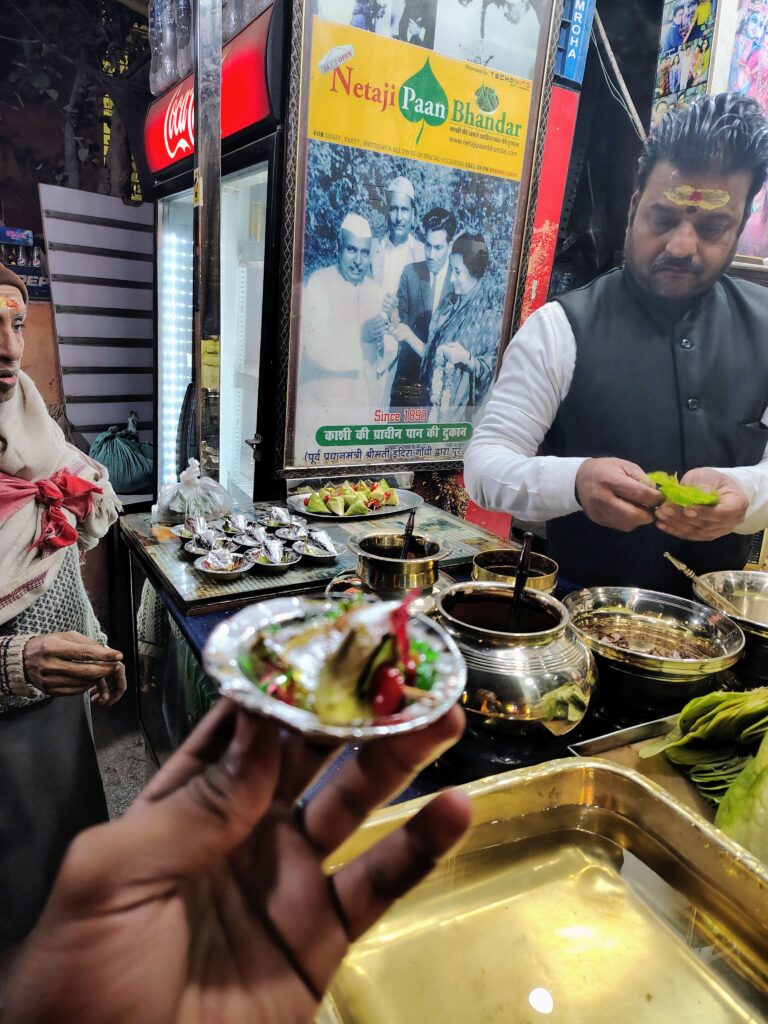
Banarasi Paan, a renowned Indian delicacy, is a type of betal leaf preparation popular in Varanasi(Banaras) and enjoyed throughout India. It’s known for its unique blend of ingredients and rich, royal taste. Banarasi paan is not just a mouth freshener but also a cultural symbol reflecting the city’s traditions and hospitality.

Leave a Reply